
Recognizing the Workforce Behind the Work: Why DSPs Need to Be Counted
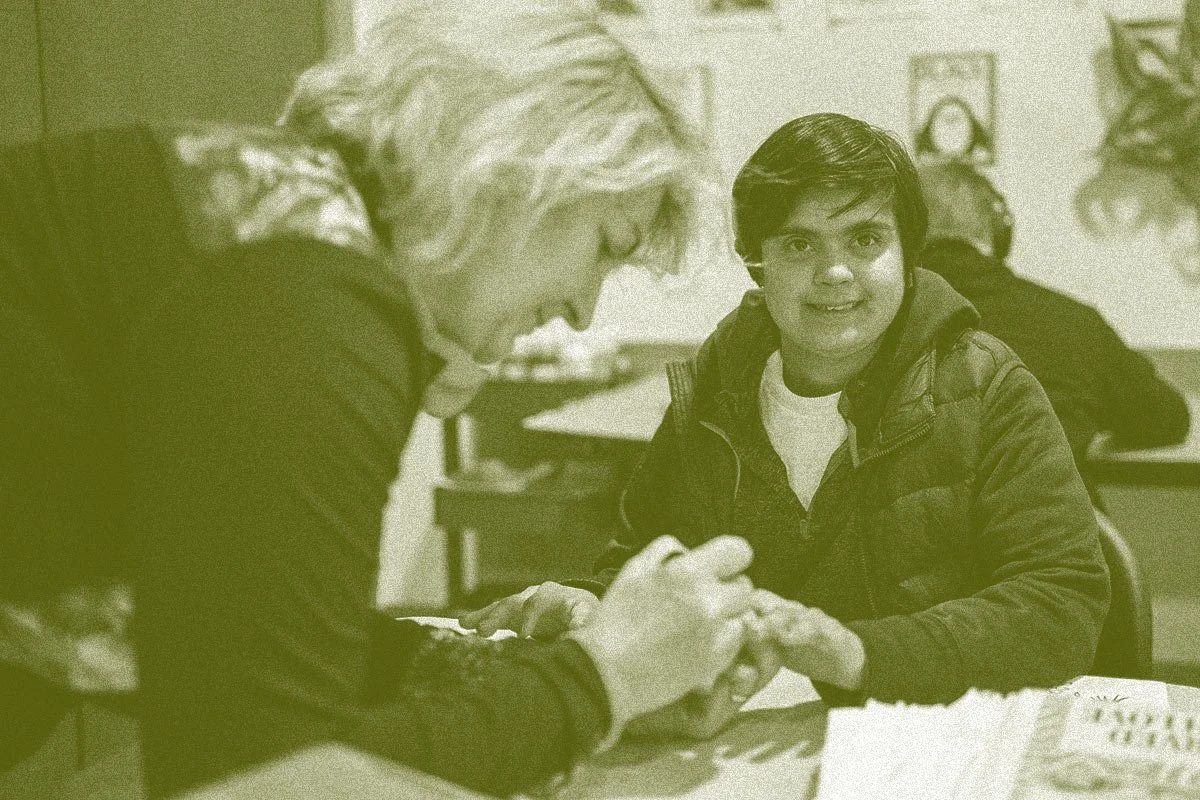
Every day, Direct Support Professionals make community life possible for people with intellectual and developmental disabilities.They are the ones helping someone get ready for work in the morning. Supporting independence at home. Building connections in the community. Creating the stability that allows people to live full, self-directed lives.
This work is essential. But at the national level, it is still not fully recognized. Right now, Congress has an opportunity to change that.
A Simple Fix to a Complex Problem
The Recognizing the Role of Direct Support Professionals Act, introduced as S. 3211 in the Senate and H.R. 6137 in the House, would take a straightforward but important step. It would require the federal government to create a distinct occupational classification for Direct Support Professionals.
Today, DSPs are grouped into broader categories like home health aides or personal care aides. While those roles are important, they are not the same.
Without a dedicated classification, policymakers lack a clear picture of:
How many DSPs are working across the country
What wages look like across regions
Where shortages are most severe
That missing data makes it harder to build effective, long-term workforce solutions.
What This Looks Like in Practice
Across Glenkirk and Search360, we employ nearly 300 Direct Support Professionals who support more than 550 people with I/DD across the Chicago region.
Like many providers, we are navigating ongoing workforce challenges:
Persistent vacancy rates that put pressure on staffing models
Heavy reliance on overtime to maintain required support levels
Significant costs tied to recruitment, onboarding, and training
Together, these pressures represent millions of dollars each year that could otherwise be invested in expanding services and strengthening outcomes for the people we support.
More importantly, they affect daily life. When staffing is unstable, it limits flexibility, disrupts routines, and can reduce opportunities for people to fully participate in their communities.
Why Federal Recognition Matters
Creating a distinct occupational classification for DSPs is not just about data. It is about building the foundation for a stronger system.
With a dedicated classification:
Workforce trends can be tracked consistently over time
Wage data can be compared accurately across regions
Policymakers can better understand where to invest
States and providers can plan with greater clarity
Other roles across healthcare already benefit from this level of visibility. Extending it to DSPs ensures this workforce is seen, understood, and supported in the same way.
A Collaborative Step Forward
At Keystone Alliance, we believe lasting solutions come from collaboration.
Our work is built on bringing organizations together, sharing insight, and strengthening the broader system so nonprofits can sustain their missions and communities can thrive.
That same approach applies here. This legislation is supported by providers, national organizations, and advocates who recognize that a stronger data foundation leads to better policy and better outcomes.
It is also notable that the Congressional Budget Office has scored this bill as having no cost, making it a practical and achievable step forward.
Why It Matters Now
The DSP workforce has gained more visibility in recent years, but many of the underlying challenges remain.
As states and providers continue working to strengthen wages, stabilize staffing, and expand access to services, national data becomes even more important. Without it, we are making long-term decisions without a complete picture.
Recognizing DSPs within the federal workforce system is one way to close that gap.
Join the Conversation
Progress starts with shared understanding.
If you work in disability services, support someone with I/DD, or care about how our systems evolve, your perspective matters. Conversations like these help build awareness and shape better solutions over time.
Optional way to stay engaged
For those who would like to stay engaged, ANCOR offers a simple way to share your perspective with Congress through its Take Action tool. It allows you to send a brief message in support of recognizing the role of Direct Support Professionals if you choose.
Learn more or take action at: Tell Congress to Cosponsor the Recognizing the Role of DSPs Act.
Keystone Alliance is an ecosystem of nonprofit organizations, services, and initiatives, working together and with the field as a collaborative force to help nonprofits strengthen and sustain their missions.
We support our family of organizations and the larger nonprofit community through Keystone Shared Services, our shared back office platform, and Mission + Strategy, our strategic consulting division.
Let’s talk to see how we can help create capacity, sustainability, and collaboration for your organization.
Other Articles You Might Like